Singapore is hot and humid all year, so it is common to wonder whether a purifier or a dehumidifier is the better buy. They solve different problems. A purifier removes particles from the air. A dehumidifier removes moisture.
This guide helps you decide which one fits your symptoms and your room.
What an air purifier does
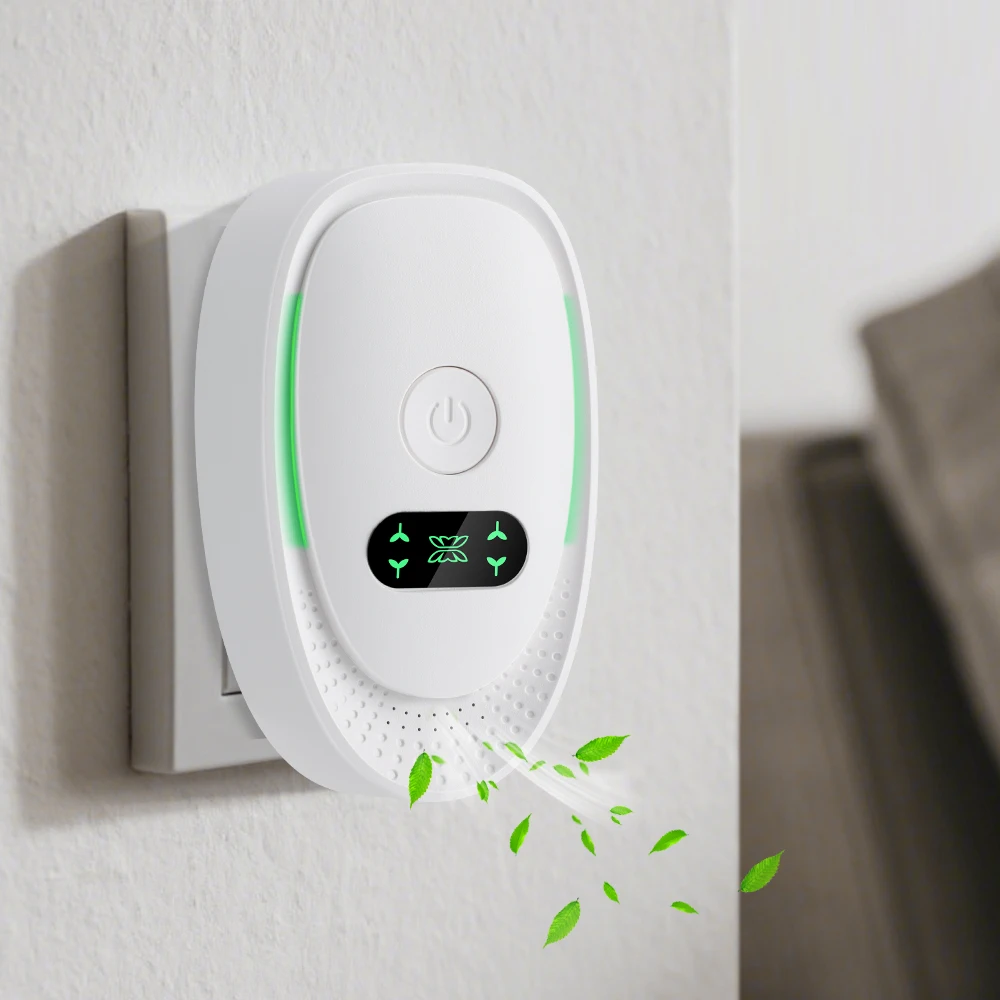
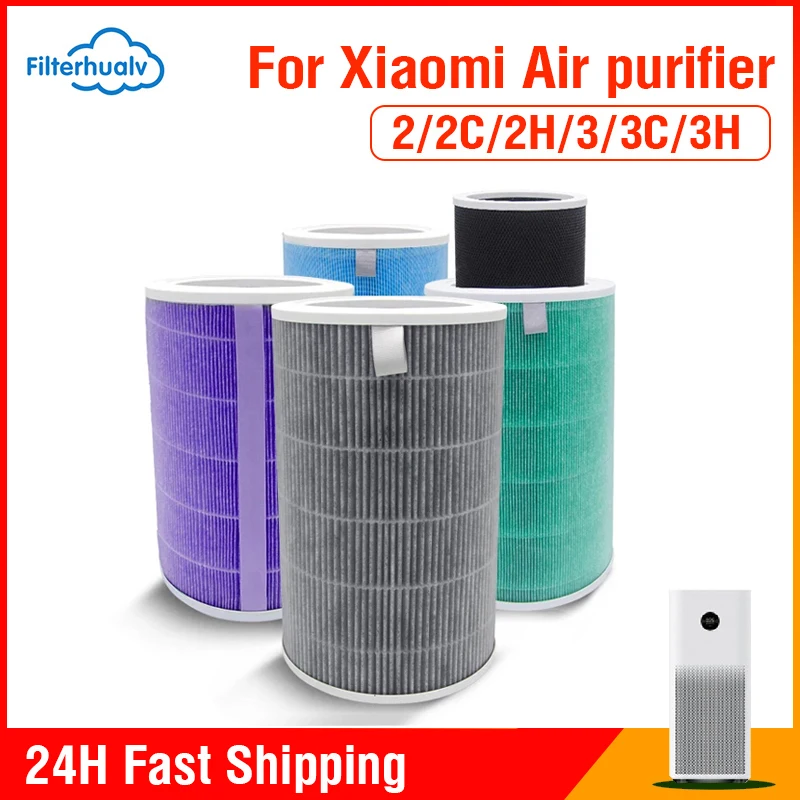
An air purifier pulls air through filters and removes particles such as dust, pollen, pet dander and haze particles. It can include a carbon layer for odours. It does not lower humidity, and it does not stop mould growing on damp walls.
It is the better choice if your concern is dust, haze or airborne allergens.
What a dehumidifier does
A dehumidifier draws in humid air, condenses the water and releases drier air. It helps with damp smells, condensation on windows, clothes that dry slowly and conditions that favour mould and dust mites.
It does not remove fine particles, so it is not a substitute for a HEPA purifier.
Dust mites and mould: which helps?
Dust mites thrive in warm, humid conditions, and mould grows on damp surfaces. Reducing humidity helps to slow both. A purifier can capture mould spores and some allergens that are floating in the air, but it does not clean bedding or walls.
The best approach is to control humidity, clean surfaces and wash bedding regularly, then use a purifier to catch what becomes airborne.
The air conditioner already dries the air
A closed, air-conditioned bedroom is often drier than the rest of the flat, which is why many people in Singapore find that a purifier is enough. If your room still smells damp or shows mould on the ceiling or wardrobe, a dehumidifier is worth considering.
Avoid putting a purifier in a room that is visibly damp. The filter can pick up moisture and start to smell.
When you need both
In a ground-floor flat, a room with poor ventilation or a wardrobe that smells musty, you may need both. Use the dehumidifier to bring the humidity down and the purifier to clean the air. Keep them apart so they do not compete for airflow.
Frequently asked questions
Does an air purifier reduce humidity?
No. A purifier removes particles, not moisture. Use a dehumidifier or air conditioning for humidity.
Which is better for allergies, a purifier or a dehumidifier?
A HEPA purifier removes airborne allergens. A dehumidifier helps reduce conditions that favour dust mites and mould. For allergies, many people benefit from both, but ask a doctor for medical advice.
Can a purifier cause mould?
Not by itself, but a damp filter in a humid room can smell musty. Keep the purifier in a dry, air-conditioned room if possible and replace filters on time.